 listicle
7 Success Stories of Veteran Small Businesses That Thrived
Table of Contents
- Why Veteran Small Businesses Outperform (and What the Data Shows)
- Success Stories of Veteran Small Businesses: 5 Lessons from the Field
- What Successful Veteran Entrepreneurs Do Differently
- How Veterans Start a Business: A Practical Roadmap
- Veteran Small Business Resources You Should Know
- Challenges for Veteran Entrepreneurs and How to Clear Them
- Conclusion
- Frequently Asked Questions
Last Updated: October 19, 2026
Why Veteran Small Businesses Outperform (and What the Data Shows)
Veteran small businesses are companies founded and run by people who served in the military, and they bring a distinct operational style to the marketplace. At Martin Home Team, a veteran-owned real estate business, we have watched that style play out in client work for 15 years. The pattern is consistent: military training builds habits that translate directly into running a company.
The Small Business Administration's Office of Veterans Business Development exists specifically because veterans start businesses at meaningful rates and need targeted support. What the SBA does not measure is temperament. Discipline, logistics planning, and team-first leadership are the quiet advantages.
Below, we break down seven success stories of veteran small businesses, the lessons behind them, and a practical roadmap you can copy.
Success Stories of Veteran Small Businesses: 5 Lessons from the Field
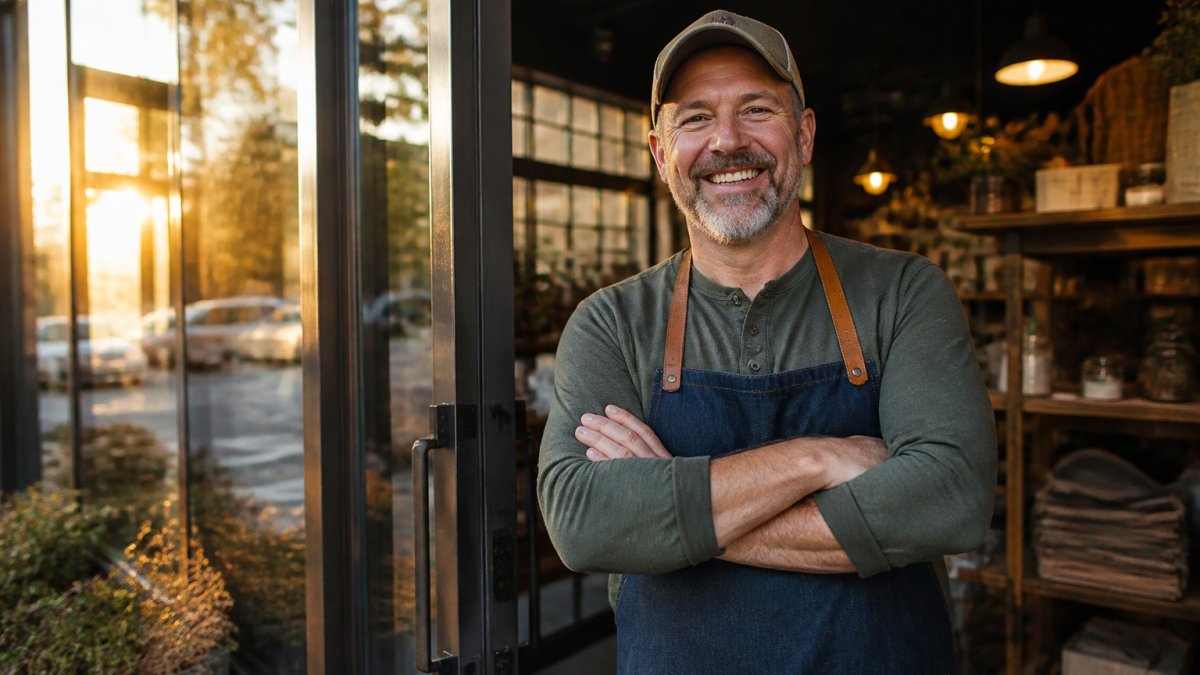
These success stories of veteran small businesses share a common thread: each founder took a skill learned in uniform and applied it to a civilian market. The names below are representative examples of the patterns we see most often, not endorsements.
Lesson 1: Discipline Beats Motivation
A former Army logistics sergeant opens a landscaping company in a Dallas suburb. Motivation fades in month three. Discipline does not. He keeps a route sheet, a maintenance calendar, and a weekly review. Within two years, he has a crew of six and a waitlist.
The lesson: build systems before you build volume.
Lesson 2: Logistics Training Translates to Operations
A Navy supply officer launches a small distribution business. She maps every step from supplier to customer, the same way she mapped cargo movements. Waste drops, delivery windows tighten, and repeat orders climb.
What most guides miss is that operations is the boring part that decides whether a business survives.
Lesson 3: Team-First Leadership Builds Retention
A Marine Corps veteran runs a home services company. He pays above the local average, trains relentlessly, and holds short daily briefings. Turnover stays low while competitors churn through staff.
What Successful Veteran Entrepreneurs Do Differently
Successful veteran entrepreneurs tend to treat a business like a mission with defined objectives, not a gamble. They write things down. They plan for contingencies. They delegate without drama.
Three habits show up again and again:
- They set measurable weekly targets instead of vague annual goals
- They build a small advisory circle rather than going it alone
- They separate cash reserves from operating money from day one
That last habit matters. Many small businesses fail because the owner treats revenue as personal income. Veterans who ran budgets in service tend to keep those lines clean.
How Veterans Start a Business: A Practical Roadmap
How veterans start a business comes down to six steps. Skip any one and the foundation gets shaky.
- Define the offer. Write one sentence describing what you sell and to whom.
- Validate demand. Talk to ten potential customers before spending money.
- Choose a structure. An LLC is common for small operations; confirm details with a CPA.
- Register and license. Check state and local requirements for your industry.
- Fund the launch. Use savings, SBA-backed lending, or a small grant where eligible.
- Set a 90-day review. Measure, adjust, repeat.
Veteran Small Business Resources You Should Know
Veteran small business resources fall into four buckets: federal programs, state and local offices, mentorship networks, and lending support.
The SBA's veteran business resources cover counseling, contracting help, and loan programs. Local Small Business Development Centers offer free advising. Veteran service organizations run mentorship programs pairing new founders with experienced owners.
| Resource Type | What It Offers | Best For |
|---|---|---|
| SBA programs | Loans, counseling, contracting help | Funding and startup guidance |
| Small Business Development Centers | Free one-on-one advising | Early-stage planning |
| Veteran service organizations | Mentorship and networking | Peer support |
| State veterans offices | Local grants and referrals | Regional resources |
Challenges for Veteran Entrepreneurs and How to Clear Them
Challenges for veteran entrepreneurs usually center on four issues: translating military experience into civilian language, accessing capital, building a local network, and managing the transition from structure to autonomy.
| Challenge | Fix | Impact |
|---|---|---|
| Military jargon on a resume | Rewrite in business terms | Better lender and partner response |
| Limited credit history | Start with SBA-backed lending | Access to startup capital |
| Thin local network | Join a chamber or veteran group | Faster referrals |
| No external structure | Build a weekly review ritual | Consistent decision-making |
The transition from a structured environment to full autonomy trips up many founders. A calendar and a weekly scorecard replace the structure you left behind.
Conclusion
Starting a business after service is a real challenge, and the transition from structured duty to independent ownership takes planning. If you are relocating to the North Dallas area and want a veteran-owned team that understands disciplined execution, Martin Home Team brings 15 years of local expertise, specialized guidance across Plano, Frisco, and Allen, and a process built for families buying and selling at the same time. Get started with Martin Home Team and move forward with a plan you can trust.
Frequently Asked Questions
What are some successful veteran-owned small businesses?
Successful veteran-owned small businesses span trades, logistics, food service, consulting, and real estate. Common threads include disciplined operations, tight cost control, and hiring from within military networks. Many start as side ventures while the owner uses VA home loan benefits and Small Business Administration counseling to reduce risk. The success stories that stand out share one trait: the owner applied a military process (checklists, after-action reviews, chain-of-command clarity) to a civilian market rather than reinventing from scratch.
How do veterans use military skills to succeed in business?
Veterans translate military skills into business operations: logistics becomes supply-chain management, briefing becomes client communication, and mission planning becomes project management. Successful veteran entrepreneurs often credit their ability to stay calm under pressure and make decisions with incomplete information. The key is framing those skills in civilian language on a business plan or loan application. A veteran who ran convoy operations can describe that as vendor coordination and risk management, which lenders and partners understand.
What resources are available to veteran small business owners?
Veteran small business resources include Small Business Administration programs, Veterans Business Outreach Centers, SCORE mentoring, and Small Business Development Centers. The SBA offers low-interest loans and counseling, while VBOCs provide training and navigation help. Many states run veteran business certification programs that unlock government contracting preferences. Start with the SBA's veteran portal, then contact a local VBOC for one-on-one help. These resources are free or low-cost and can save months of trial and error.
How can a veteran start a small business step by step?
How veterans start a business follows a repeatable path: define the market problem, validate demand with a few paying customers, write a lean business plan, secure funding through SBA loans or personal savings, register the entity, and build a small team. Use free counseling from SCORE or a Veterans Business Outreach Center before spending money. Many successful veteran entrepreneurs start part-time while still employed, then scale once revenue is steady. The discipline of a phased launch mirrors military mission planning.