 listicle
Benefits of Veteran Owned Businesses
Table of Contents
- Why Veteran Owned Businesses Matter in Real Estate
- Federal Contracting Opportunities for Veteran Owned Businesses
- Veteran Benefits for Buying a Home
- SBA Veteran Owned Small Business Certification
- Tax Credits and Incentives for Veteran Entrepreneurs
- Government Contracting for Veterans
- Building Trust Through Veteran Ownership
- Frequently Asked Questions
Benefits of Veteran Owned Businesses
Last Updated: August 31, 2026
Veteran owned businesses represent more than just entrepreneurship, they're a pathway to economic independence backed by real government support and market advantage. As a veteran-owned real estate firm serving the North Dallas market for 15 years, the Martin Home Team understands firsthand how veteran ownership opens doors that remain closed to other business owners. From federal contracting preferences to tax incentives and SBA financing, benefits of veteran owned businesses extend across multiple sectors, creating genuine competitive advantages in procurement, funding access, and market positioning.
This guide covers the concrete advantages that come with veteran business ownership, from federal contracting opportunities to certification pathways that unlock supplier diversity programs.
Why Veteran Owned Businesses Matter in Real Estate
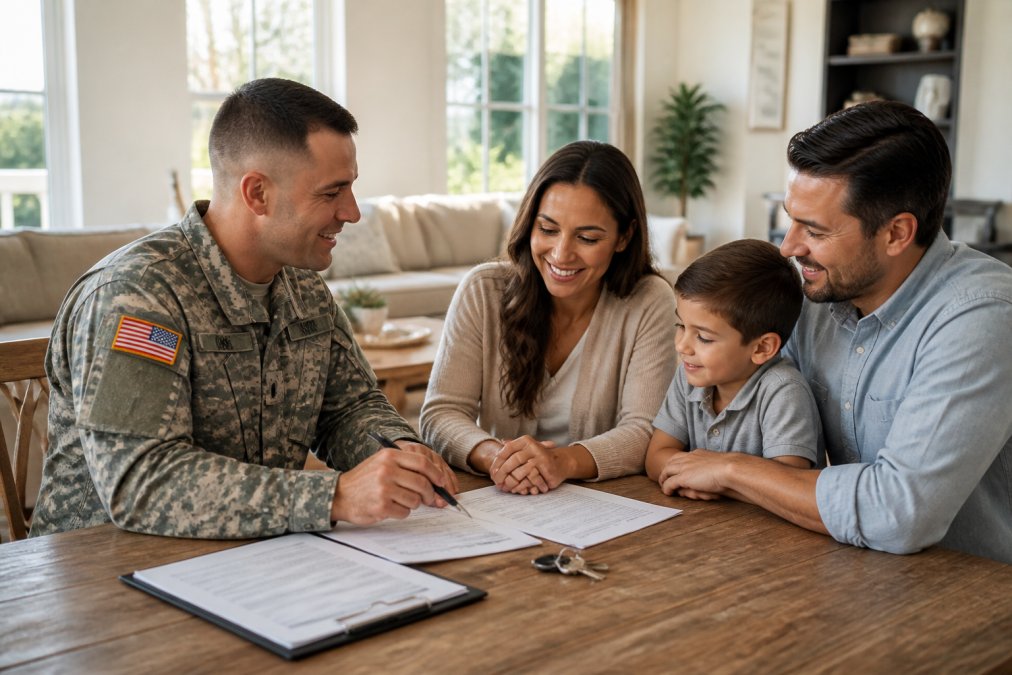
Veteran owned businesses bring credibility and reliability that resonate deeply in real estate transactions. Military service instills discipline, strategic planning, and accountability, qualities that translate directly into client relationships and transaction management. When families relocate to new markets or navigate complex buy-sell cycles, they're looking for partners who understand logistics, timelines, and execution under pressure.
The real estate market values stability and trust. A veteran-owned firm signals commitment to process, attention to detail, and follow-through. This matters when managing simultaneous sales and purchases, coordinating with lenders and inspectors, or guiding first-time buyers through unfamiliar territory. The Martin Home Team's 15 years of North Dallas expertise, combined with veteran ownership, creates a foundation that clients recognize and rely on.
Beyond reputation, veteran ownership in real estate opens access to federal contracting for property management, real estate services for military-connected communities, and supplier diversity programs that large corporations actively source from.
Federal Contracting Opportunities for Veteran Owned Businesses
Federal contracting represents one of the largest and most direct benefits of veteran owned businesses. The federal government actively seeks service-disabled veteran-owned small businesses (SDVOSBs) and veteran-owned small businesses (VOSBs) for procurement contracts. Federal agencies have contracting goals specifically for veteran-owned firms, and many contracts include set-aside provisions that reserve work exclusively for veteran-owned businesses.
Understanding the Contracting Landscape
The federal contracting process begins with registration in the System for Award Management (SAM), obtaining the appropriate VOSB or SDVOSB certification, and understanding how to navigate federal procurement systems. Set-aside contracts mean you're competing only against other veteran-owned firms, which significantly improves your odds compared to open competition. Sole source contracts, awarded directly without competitive bidding, are available for certified service-disabled veteran-owned businesses.
Real estate services, property management, and facilities-related contracting frequently appear in federal procurement, applying to military installations, VA facilities, and federal office buildings. According to the Small Business Administration's federal contracting data, veteran-owned small businesses receive billions in annual federal contracts.
Post-Certification Strategy: Turning Certification Into Wins
Most veteran entrepreneurs focus on obtaining certification, then struggle to convert it into actual contract awards. Success lies in three critical areas:
1. Contract Identification and Targeting
Federal contracts are posted on SAM.gov, but identifying contracts aligned with your capabilities requires systematic searching. Develop a targeting strategy: identify contract vehicles (GSA schedules, IDIQ contracts, and blanket purchase agreements) where your business has genuine competitive advantage, understand the contracting agency's procurement patterns, and focus on contracts where you can deliver superior value. Targeting discipline increases win rates significantly.
2. Proposal Development and Compliance
Federal proposals require specific formatting, compliance certifications, and narrative structures governed by the Federal Acquisition Regulation (FAR). Common mistakes include underestimating labor costs, failing to address small business subcontracting plans, or missing compliance requirements. The Veterans Business Outreach Center (VBOC) network provides free training and counseling specifically focused on federal contracting strategy, proposal writing, and contract compliance. Taking advantage of VBOC resources before submitting proposals significantly improves quality and competitiveness.
3. Relationship Building With Procurement Officers
Federal contracting success depends heavily on relationships with contracting officers, program managers, and procurement specialists. Pre-award engagement, attending industry days, participating in vendor forums, and maintaining regular contact with key procurement contacts, creates visibility and trust that translates into contract wins.
Leveraging Certification Beyond Federal Contracts
Your VOSB or SDVOSB certification also opens doors in state and local government procurement. Many states and municipalities maintain supplier diversity programs and include veteran-owned business contracting goals. Large corporations often commit to sourcing a percentage of their procurement from certified veteran-owned vendors as part of corporate supplier diversity initiatives.
Veteran Benefits for Buying a Home
Veteran benefits for homeownership extend far beyond VA loans. While VA-backed financing is a cornerstone benefit, many veterans leave thousands of dollars on the table by not understanding the full landscape of federal, state, and local programs available to them.
VA Loans: The Foundation
VA loans offer competitive interest rates, eliminate private mortgage insurance requirements, allow zero-down-payment purchases, and carry no prepayment penalties. VA loans are backed by the Department of Veterans Affairs and administered through private lenders. The VA guaranty protects the lender, allowing them to offer favorable terms unavailable through conventional financing.
State-Level Programs: The Hidden Layer
Individual states offer property tax exemptions, down payment assistance grants, favorable financing terms, and other incentives specifically for veterans and disabled veterans. These programs vary significantly by state and are often underutilized.
Common state-level benefits include:
- Property tax exemptions or reductions for disabled veterans
- Down payment assistance grants with no repayment requirement
- Favorable financing programs through state housing finance agencies
- Homestead exemptions that reduce assessed property value for tax purposes
- Loan assumption programs allowing veterans to assume existing mortgages at favorable terms
Stacking Benefits for Maximum Impact
The real power emerges when veterans stack multiple benefits. A disabled veteran might combine a VA loan (zero down payment, no PMI), a state property tax exemption (reducing annual tax burden), a state down payment assistance grant (covering closing costs), and a local first-time homebuyer program. This combination dramatically reduces the total cost of homeownership.
Identifying Your Eligible Benefits
To maximize your homeownership benefits:
- Verify your VA eligibility through the VA's eBenefits portal and obtain your Certificate of Eligibility.
- Research your state's veteran housing programs through your state housing finance agency or veteran affairs office.
- Check local programs in the county or municipality where you plan to purchase.
- Consult with a VA-savvy lender who understands both federal VA loan benefits and state-specific programs.
- Work with a real estate professional familiar with veteran benefits who can help you structure your purchase to maximize available incentives.
Tax Advantages and Ongoing Benefits
Mortgage interest and property taxes are deductible on federal income taxes (subject to applicable limits). Disabled veterans may also qualify for the Disabled Access Credit if they make accessibility improvements to their home.
SBA Veteran Owned Small Business Certification
SBA veteran-owned small business certification is the formal credential that unlocks government contracting preferences and supplier diversity programs. Certification requires meeting specific eligibility criteria: you must be at least 51% owned and controlled by a veteran (or service-disabled veteran), and your business must qualify as a small business under SBA size standards for your industry.
The certification process involves submitting documentation to the SBA's Office of Veteran Business Development or using an SBA-authorized certifier. You'll need to prove ownership structure, control of business decisions, and veteran status. Service-disabled veteran status requires VA disability rating documentation. The process typically takes 30-60 days.
Certified SDVOSB status qualifies you for sole source contracting and priority consideration in federal procurement. Many large corporations also actively source from certified veteran-owned businesses as part of their supplier diversity commitments, creating additional business development opportunities beyond federal contracts.
Tax Credits and Incentives for Veteran Entrepreneurs
Tax credits and incentives for veteran entrepreneurs create direct financial advantages. The Work Opportunity Tax Credit (WOTC) applies when you hire veterans, providing a tax credit of up to $2,400 per veteran employee. This incentivizes veteran hiring and reduces your payroll tax liability.
Many states offer tax incentives specifically for veteran-owned businesses, including income tax credits, sales tax exemptions on business equipment, or property tax reductions. The Disabled Access Credit allows businesses to claim up to $5,000 annually for accessibility improvements.
Working with a tax professional familiar with veteran business incentives ensures you capture every available credit and deduction.
Government Contracting for Veterans
Government contracting for veterans encompasses federal, state, and local procurement opportunities. Beyond federal contracts, state and local governments maintain supplier diversity programs and often include veteran-owned business contracting goals. Many municipalities actively seek veteran-owned service providers for construction, professional services, and real estate-related work.
The federal government's contracting process uses the Federal Acquisition Regulation (FAR) and specific procurement platforms. The Veterans Business Outreach Center network provides free training and counseling on federal contracting processes, helping veteran entrepreneurs navigate proposal writing, contract terms, and compliance requirements.
Private sector supplier diversity programs also prioritize veteran-owned businesses. Large corporations often commit to sourcing a percentage of their procurement from veteran-owned vendors, creating business opportunities that don't require government contracting expertise.
Building Trust Through Veteran Ownership
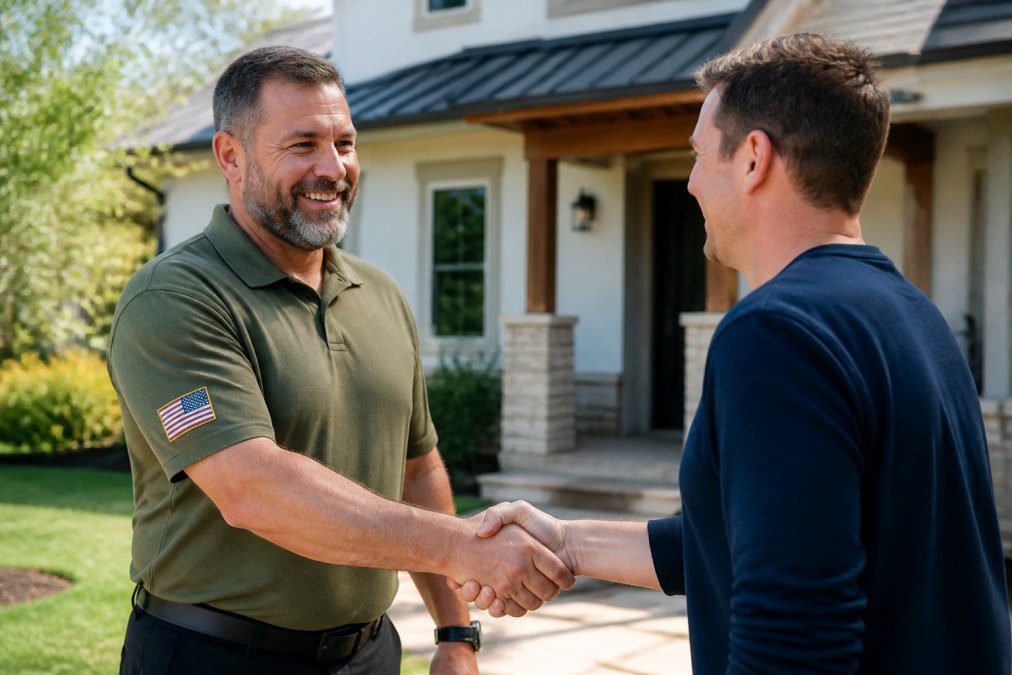
Trust is the foundation of real estate transactions. Veteran ownership builds trust because it signals accountability, reliability, and commitment to process. Clients understand that veteran business owners have been trained in high-stakes decision-making and have demonstrated the discipline required to serve in the military.
In real estate specifically, trust determines whether clients feel confident leaving their largest financial transaction in your hands. Families relocating to new markets need to know their agent understands local schools, neighborhoods, and market dynamics. First-time homebuyers need reassurance that someone experienced will walk them through each step. Sellers managing simultaneous sales and purchases need to know their agent can coordinate multiple moving parts.
The Martin Home Team's veteran ownership becomes part of that trust equation. Combined with 15 years of North Dallas expertise and a track record of guiding families through complex transitions, veteran ownership reinforces the message that you're working with professionals who understand execution, follow-through, and client-centered service.
Veteran owned businesses operate with distinct advantages in federal contracting, access to capital, and market positioning. Whether you're exploring federal contracting opportunities, pursuing SBA certification, or building a real estate practice, understanding these benefits helps you make strategic decisions about how to grow your business. The Martin Home Team combines veteran ownership with 15 years of North Dallas real estate expertise, delivering the strategic guidance and reliable execution that families rely on when navigating major property transitions. If you're relocating to the North Dallas area, buying your first home, or managing a complex buy-sell cycle, working with a veteran-owned firm means partnering with professionals who understand planning, execution, and accountability.
Frequently Asked Questions
Q: Is there an advantage to being a veteran-owned business?
A: Yes. Veteran-owned businesses access federal set-aside contracts, SBA loan programs with favorable terms, tax incentives including the Work Opportunity Tax Credit, and procurement preferences through federal contracting. Beyond financial benefits, veteran ownership signals reliability, discipline, and mission-driven service, qualities clients value in real estate and other sectors. Veterans bring leadership experience and operational discipline that strengthen business practices.
Q: What veteran benefits for buying a home are available?
A: Veterans may qualify for VA loans with no down payment requirement, competitive interest rates, and no mortgage insurance. Additionally, some states and local programs offer grants or down payment assistance for veteran homebuyers. Consulting with a veteran-focused real estate professional ensures you access all available benefits.
Q: How do I get SBA veteran-owned small business certification?
A: The Small Business Administration offers Veteran-Owned Small Business (VOSB) and Service-Disabled Veteran-Owned Small Business (SDVOSB) certifications. You must meet size standards, be at least 51% owned by a veteran (or 51% by a service-disabled veteran for SDVOSB), and demonstrate active management. The certification process involves documenting ownership, control, and veteran status. Contact your local Veterans Business Outreach Center (VBOC) for step-by-step guidance and technical assistance.
Q: What government contracting programs are available for veteran-owned small businesses?
A: The federal government reserves a portion of contracts specifically for veteran-owned businesses through set-aside programs. The VA, Department of Defense, and General Services Administration all maintain procurement programs favoring veteran businesses. SDVOSB firms receive additional sole-source contracting opportunities. A contracting officer can explain eligibility and bidding processes. Working with a business counselor through the SBA helps identify opportunities and develop winning proposals.
This article was written using GrandRanker
Frequently Asked Questions
Q: Is there an advantage to being a veteran-owned business?
A: Yes. Veteran-owned businesses access federal set-aside contracts, SBA loan programs with favorable terms, tax incentives including the Work Opportunity Tax Credit, and procurement preferences through federal contracting. Beyond financial benefits, veteran ownership signals reliability, discipline, and mission-driven service—qualities clients value in real estate and other sectors. Veterans bring leadership experience and operational discipline that strengthen business practices.
Q: What veteran benefits for buying a home are available?
A: Veterans may qualify for VA loans with no down payment requirement, competitive interest rates, and no mortgage insurance. Additionally, some states and local programs offer grants or down payment assistance for veteran homebuyers. Consulting with a veteran-focused real estate professional ensures you access all available benefits.
Q: How do I get SBA veteran-owned small business certification?
A: The Small Business Administration offers Veteran-Owned Small Business (VOSB) and Service-Disabled Veteran-Owned Small Business (SDVOSB) certifications. You must meet size standards, be at least 51% owned by a veteran (or 51% by a service-disabled veteran for SDVOSB), and demonstrate active management. The certification process involves documenting ownership, control, and veteran status. Contact your local Veterans Business Outreach Center (VBOC) for step-by-step guidance and technical assistance.
Q: What government contracting programs are available for veteran-owned small businesses?
A: The federal government reserves a portion of contracts specifically for veteran-owned businesses through set-aside programs. The VA, Department of Defense, and General Services Administration all maintain procurement programs favoring veteran businesses. SDVOSB firms receive additional sole-source contracting opportunities. A contracting officer can explain eligibility and bidding processes. Working with a business counselor through the SBA helps identify opportunities and develop winning proposals.