 ultimate-guide
Selling a Home in Plano: Complete 2026 Guide
Table of Contents
- Understanding the Plano Real Estate Market
- How Long Does It Take to Sell a House in Plano
- Selling Methods: Cash Offers vs. Traditional Listings
- Preparing Your Home for Sale Checklist
- Closing Costs for Sellers in Texas
- Steps to Sell Your Home as an Owner
- Why Professional Representation Matters
- Frequently Asked Questions
Selling a Home in Plano: Complete 2026 Guide
Last Updated: September 2, 2026
Understanding the Plano Real Estate Market
Selling a home in Plano requires understanding local market dynamics that shape buyer demand, pricing, and timing. The North Dallas real estate landscape responds to suburban growth, corporate relocation, school district reputation, employment centers, infrastructure development, and demographic shifts specific to the Dallas-Fort Worth metroplex.
At Martin Home Team, we've spent 15 years analyzing these patterns, tracking median listing prices, days on market, and buyer behavior across neighborhoods. This insight shapes your pricing strategy, timeline expectations, and which selling method makes sense for your situation. The underlying principle remains constant: homes priced accurately and presented well sell faster and for better net proceeds.

How Long Does It Take to Sell a House in Plano
Most homes in Plano sell within 30 to 60 days from listing to closing, though the timeline depends heavily on price point, condition, and market segment. A home priced competitively and presented with strong curb appeal typically sells within 30-45 days. Homes requiring negotiation, inspection repairs, or appraisal adjustments often extend to 60-90 days.
The closing process itself typically takes 30-45 days after an offer is accepted, including appraisal, title search, home inspection contingencies, and final walkthrough. The first 7-14 days on market are disproportionately important, homes that don't generate early showings often languish. This is why preparation before listing matters so much.
Selling Methods: Cash Offers vs. Traditional Listings
You have two primary paths to sell your home in Plano: list traditionally through the MLS with a real estate agent, or accept a cash offer from an investor or iBuyer.
Traditional MLS Listing exposes your home to the broadest buyer pool. This competition typically drives higher final sale prices. A listing agent handles marketing, showings, negotiations, and coordination. The process takes longer (typically 60-90 days total) and involves contingencies like home inspections and appraisals. You pay a commission structure negotiated upfront based on local market standards. The advantage is market exposure and price optimization; the disadvantage is time and uncertainty.
Cash Offers from investors or iBuyers close in 7-14 days. You skip inspections, appraisals, and financing delays. The trade-off is price, cash buyers offer below-market value because they assume risk and carrying costs. Cash sales make sense if you're relocating urgently, facing foreclosure, inheriting a property, or selling a home needing significant repairs.
The Martin Home Team helps sellers evaluate both paths based on their timeline, financial needs, and property condition. Sometimes speed matters more than maximum price; sometimes the reverse is true.
Preparing Your Home for Sale Checklist
A home's first impression determines whether buyers schedule a showing or move to the next listing. Preparation is the single biggest factor in how quickly your home sells and at what price.
Curb Appeal and First Impressions
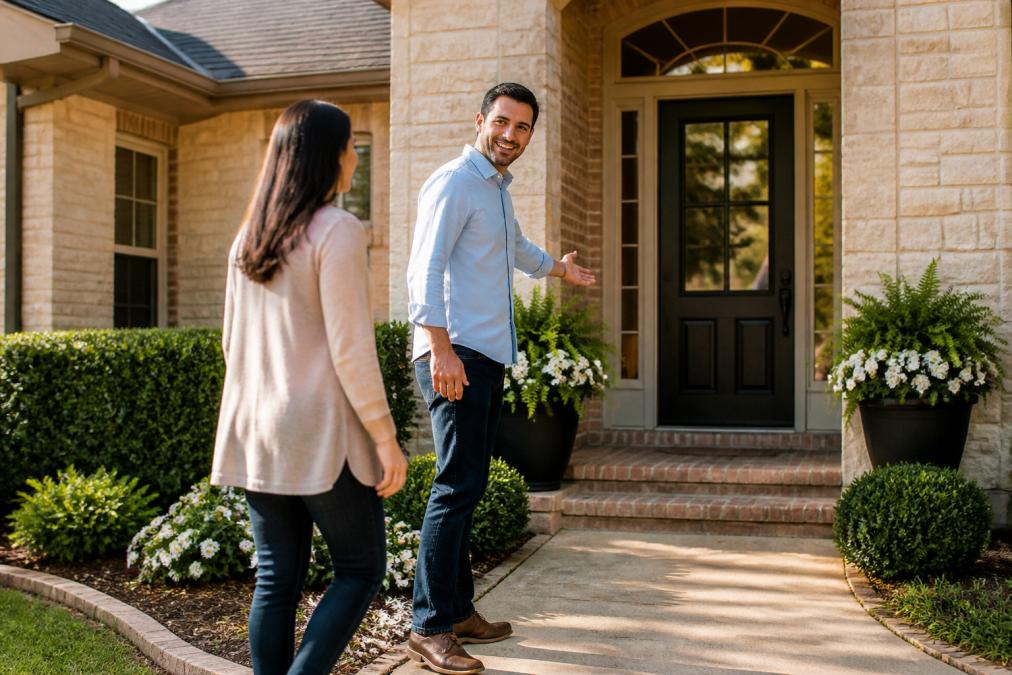
Your home's exterior shapes buyer perception before they step inside. Start with the basics: clean the exterior thoroughly, including windows, siding, and roof. Trim overgrown landscaping, edge garden beds, and mulch to create a maintained appearance. Paint the front door if worn or dated. Replace weathered house numbers. Power-wash the driveway and walkway.
Landscaping needs to be intentional. Remove dead plants, add fresh mulch, and ensure lawn edges are crisp. A few seasonal flowers or potted plants near the entrance add visual interest without significant expense. Ensure outdoor lighting fixtures work and are clean. Landscape lighting highlights architectural features and signals maintenance.
Interior Staging and Virtual Presentation
Interior staging removes clutter and highlights the home's best features. Declutter aggressively, remove personal items, excess furniture, and anything distracting from layout and condition. Pack away 30-40% of belongings before showings begin to make rooms feel larger.
Paint is the cheapest renovation with the highest ROI. Neutral colors (soft grays, warm whites, beiges) appeal to the broadest audience. Ensure all lighting is bright and warm. Open all curtains and blinds during showings. Clean obsessively, buyers notice dust, fingerprints, and odors. Ensure the home smells neutral or faintly fresh.
High-quality photos drive showings. Professional photography and virtual staging cost little but dramatically increase inquiry rates. The Martin Home Team guides sellers through staging priorities based on their specific home and market segment.
Closing Costs for Sellers in Texas
Closing costs are fees and expenses incurred during the final stages of selling. As a seller, you typically pay a percentage of the sale price in combined costs, though this varies by transaction.
The largest expense is the listing agent commission, negotiated upfront based on local market standards and split between listing and buyer's agents. Other closing costs include title company fees for title search and insurance, recording fees for deed recording, escrow fees, property tax prorations, HOA transfer fees if applicable, and inspection and repair credits if negotiated with the buyer.
Understanding these costs upfront helps you calculate actual net proceeds. Work with your listing agent and title company to estimate closing costs before listing.
Steps to Sell Your Home as an Owner
Selling without an agent (FSBO, For Sale By Owner) is possible but requires significant knowledge and effort. You handle marketing, showings, negotiations, and coordination with the buyer's agent and title company.
Getting a Home Valuation and Comparative Market Analysis
Before listing, determine your home's market value through a comparative market analysis (CMA). This involves analyzing recently sold homes in your neighborhood with similar size, condition, and features.
A CMA examines homes that sold in the last 30-90 days, adjusting for differences in square footage, lot size, condition, and amenities. You can research this yourself using public records and real estate websites, but a professional appraisal or agent's CMA is more reliable. Pricing is the most critical decision in selling, overprice and the home sits unsold; underprice and you leave money on the table.
Listing Your Property and Showing Strategy
Create an MLS listing or advertise on major real estate websites with professional photos, accurate description, and key features. Most buyers search online first; a weak listing gets overlooked.
Schedule showings strategically, weekends and early evenings generate the most traffic. Ensure the home is clean and well-lit for every showing. Remove yourself and pets during showings. Track showing feedback carefully. If you're not getting showings, the price may be too high or presentation inadequate. If you're getting showings but no offers, the home may have a perceived flaw or the price still isn't right.
Negotiating Offers and Managing Contingencies
Once an offer arrives, you'll negotiate terms including sale price, earnest money amount, inspection contingencies, appraisal gap coverage, and closing timeline.
Contingencies are conditions the buyer can use to exit the deal. Common contingencies include home inspection, appraisal, financing, and sale of current home. Each contingency carries risk for the seller. A strong offer has minimal contingencies and a short contingency period.
Appraisal gap coverage is increasingly important. If the appraisal comes in below the offer price, the buyer can request the seller cover the difference. Negotiate this upfront. Without agent representation, you're responsible for understanding these terms and negotiating effectively.
Why Professional Representation Matters
Selling without an agent saves commission but costs you in other ways. An experienced agent brings market knowledge, negotiation skill, and coordination expertise that most sellers lack.
A listing agent handles marketing, schedules showings, manages buyer inquiries, and coordinates with the buyer's agent and title company. They've negotiated many transactions and understand local market nuances affecting pricing and strategy. They catch contingency language protecting your interests and identify when an offer is strong versus a lowball.
Most importantly, an agent acts as a buffer between you and the buyer. Negotiations are less emotional and more professional when handled through agents. For sellers managing a simultaneous buy-sell, professional representation becomes even more critical. Coordinating two transactions requires precise timing and expert coordination.
The Martin Home Team brings 15 years of North Dallas experience to every transaction. We know which neighborhoods appreciate, which buyer profiles dominate specific price points, and how to position your home for maximum net proceeds. We handle the logistics so you focus on your next move.
Selling your home in Plano involves market timing, pricing accuracy, presentation, and negotiation strategy. The Martin Home Team specializes in guiding sellers through this complexity with proven processes that protect your interests and maximize your net proceeds. Whether you're upsizing, downsizing, or relocating, our 15 years of North Dallas expertise ensures you navigate each step with confidence. Schedule a discovery call to discuss your specific situation and explore how we can help you achieve your real estate goals.
Frequently Asked Questions
What is the average days on market for homes in Plano?
Days on market in Plano varies based on market conditions, home condition, and pricing strategy. Homes that are well-prepared, properly priced relative to comparable properties, and listed during buyer-friendly seasons typically sell faster. Working with an experienced agent who understands local buyer demand and market inventory levels helps position your home competitively and reduce time on market.
How much will I owe in closing costs when selling my home in Texas?
Closing costs for sellers in Texas typically vary based on the sale price, title company fees, and any seller concessions negotiated with the buyer. These costs include real estate commission, title insurance, escrow fees, and transfer taxes. Your transaction coordinator can provide an itemized estimate before you sign the listing agreement so you understand your net proceeds.
Should I sell my home as-is or invest in repairs and staging?
An as-is sale offers speed and simplicity, appealing to real estate investors and buyers willing to handle renovations themselves. However, staging and targeted repairs typically increase your final sale price and attract more qualified buyer demand. The decision depends on your timeline, market conditions, and equity position. A comparative market analysis of similar homes, both as-is and staged, reveals which approach maximizes your net proceeds in the current market.
Can I sell my current home and buy a new one at the same time?
Yes, many homeowners successfully execute simultaneous sell-buy transactions, often called move-up buys. This requires coordinated timing, bridge financing if needed, and a team experienced in managing both sides of the transaction. Working with professionals who understand your local market and have handled multiple concurrent transactions ensures you avoid common pitfalls and protect your equity throughout the process.
This article was written using GrandRanker
Frequently Asked Questions
What is the average days on market for homes in Plano?
Days on market in Plano varies based on market conditions, home condition, and pricing strategy. Homes that are well-prepared, properly priced relative to comparable properties, and listed during buyer-friendly seasons typically sell faster. Working with an experienced agent who understands local buyer demand and market inventory levels helps position your home competitively and reduce time on market.
How much will I owe in closing costs when selling my home in Texas?
Closing costs for sellers in Texas typically vary based on the sale price, title company fees, and any seller concessions negotiated with the buyer. These costs include real estate commission, title insurance, escrow fees, and transfer taxes. Your transaction coordinator can provide an itemized estimate before you sign the listing agreement so you understand your net proceeds.
Should I sell my home as-is or invest in repairs and staging?
An as-is sale offers speed and simplicity, appealing to real estate investors and buyers willing to handle renovations themselves. However, staging and targeted repairs typically increase your final sale price and attract more qualified buyer demand. The decision depends on your timeline, market conditions, and equity position. A comparative market analysis of similar homes—both as-is and staged—reveals which approach maximizes your net proceeds in the current market.
Can I sell my current home and buy a new one at the same time?
Yes, many homeowners successfully execute simultaneous sell-buy transactions, often called move-up buys. This requires coordinated timing, bridge financing if needed, and a team experienced in managing both sides of the transaction. Working with professionals who understand your local market and have handled multiple concurrent transactions ensures you avoid common pitfalls and protect your equity throughout the process.