 ultimate-guide
How to Sell Your House Quickly in 2026
Table of Contents
- Average Time to Sell a House in 2026
- How to Price a Home for a Fast Sale
- Preparing Home for Sale Checklist: What Actually Moves the Needle
- Cash Home Buyers vs Real Estate Agents: Which Sells Faster
- How to Sell Your House Quickly: Step-by-Step for 2026
- Tax Implications and Psychological Preparation for a Quick Sale
- Common Reasons a House Fails to Sell Quickly, and How to Fix Them
- Conclusion
Last Updated: August 14, 2026
Selling a house quickly is one of the most stressful financial decisions a family can face, and the margin between a smooth sale and a drawn-out ordeal often comes down to preparation and strategy. At Martin Home Team, we've guided homeowners through this process across North Dallas, and the patterns are clear: sellers who plan deliberately close faster and walk away with more. This guide breaks down what actually works in 2026, from pricing strategy to closing logistics, so you can sell house quickly without leaving money on the table.
Average Time to Sell a House in 2026
The average time to sell a house in 2026 varies significantly by market, price point, and condition. Nationally, homes in well-priced, well-prepared condition typically go under contract within two to four weeks. From there, closing adds another 30 to 45 days, depending on whether the buyer is using financing or paying cash.
How Market Conditions and Inventory Levels Affect Your Timeline
Housing inventory levels are the single biggest variable in your timeline. Low inventory means fewer competing listings, which creates competitive bidding and faster sales. High inventory shifts power to buyers, who become more selective and slower to commit.
In 2026, many suburban markets continue to see constrained inventory in the entry-to-mid-price range, while higher price points face more competition. According to National Association of Realtors housing market data, days on market fluctuate meaningfully between regions, so understanding your local conditions matters more than national averages.
The practical implication: if inventory in your neighborhood is low, pricing correctly and presenting well can put you under contract in days. If inventory is elevated, you need to work harder on every element of preparation and marketing.
How to Price a Home for a Fast Sale
Pricing is the most powerful lever you control. Homes priced correctly from day one sell faster and, counterintuitively, often for more money than homes that start high and chase the market down with reductions.
Using Comparable Sales to Set a Competitive Listing Price
A comparable sales analysis, or "comps," examines recently sold homes in your immediate area that are similar in size, age, condition, and features. The goal is to identify where the market actually cleared, not where sellers hoped to sell.
The most common pricing mistake is anchoring to a number based on what you need rather than what the market supports. Buyers don't care about your mortgage payoff or your renovation costs. They compare your home against every other option available to them right now.
A well-executed property valuation looks at:
- Sold prices from the last 90 days (not list prices, sold prices)
- Price per square foot adjusted for condition and upgrades
- Active listings that represent your direct competition
- Pending sales that signal current buyer demand
Pricing 3 to 5 percent below the top of your range can trigger multiple offers and push the final sale price above where you would have landed with an aggressive list price. It's a counterintuitive strategy, but it works consistently in competitive markets.
Preparing Home for Sale Checklist: What Actually Moves the Needle
Most sellers either over-invest in improvements that buyers won't pay for, or under-invest in the basics that actually drive offers. The goal is surgical: fix what buyers notice, skip what they don't.

Curb Appeal, Decluttering, and Home Staging Priorities
Curb appeal is your first impression, and buyers form opinions before they step through the door. Fresh mulch, trimmed hedges, a clean front door, and working exterior lights are low-cost, high-impact improvements.
Inside, decluttering is the single highest-ROI task most sellers underestimate. Removing excess furniture, personal photos, and visual clutter makes rooms feel larger and allows buyers to project themselves into the space. Home staging, whether professional or DIY, takes this further by arranging furniture to highlight flow and scale.
Quick-win checklist before listing:
- Deep clean every room, including windows and baseboards
- Remove at least one piece of furniture from each room to open sightlines
- Neutralize strong paint colors in main living areas
- Replace burned-out bulbs and maximize natural light
- Address any odors (pets, cooking, moisture)
- Pressure wash the driveway and walkways
- Add fresh flowers or plants to kitchen and living spaces
Which Repairs and Renovations Deliver Real ROI
The thing nobody tells you about pre-sale renovations is that most of them don't pay back dollar-for-dollar. According to Remodeling Magazine's Cost vs. Value report, most major renovations recoup less than their cost at resale. The exceptions are projects that address deferred maintenance or obvious defects.
Focus here:
- Fix, don't upgrade: Repair leaking faucets, sticky doors, cracked tiles, and damaged drywall. These signal neglect to buyers.
- Skip the kitchen gut: A minor kitchen refresh (new hardware, paint, updated fixtures) outperforms a full renovation on ROI.
- Fresh paint is your best friend: Neutral interior paint is the highest-return cosmetic investment, period.
- Mechanical systems: If your HVAC, water heater, or roof is near end of life, address it before inspection or price accordingly.
Cash Home Buyers vs Real Estate Agents: Which Sells Faster
This is the core trade-off every seller faces in 2026. The right answer depends on your priorities: maximum net proceeds or maximum speed.
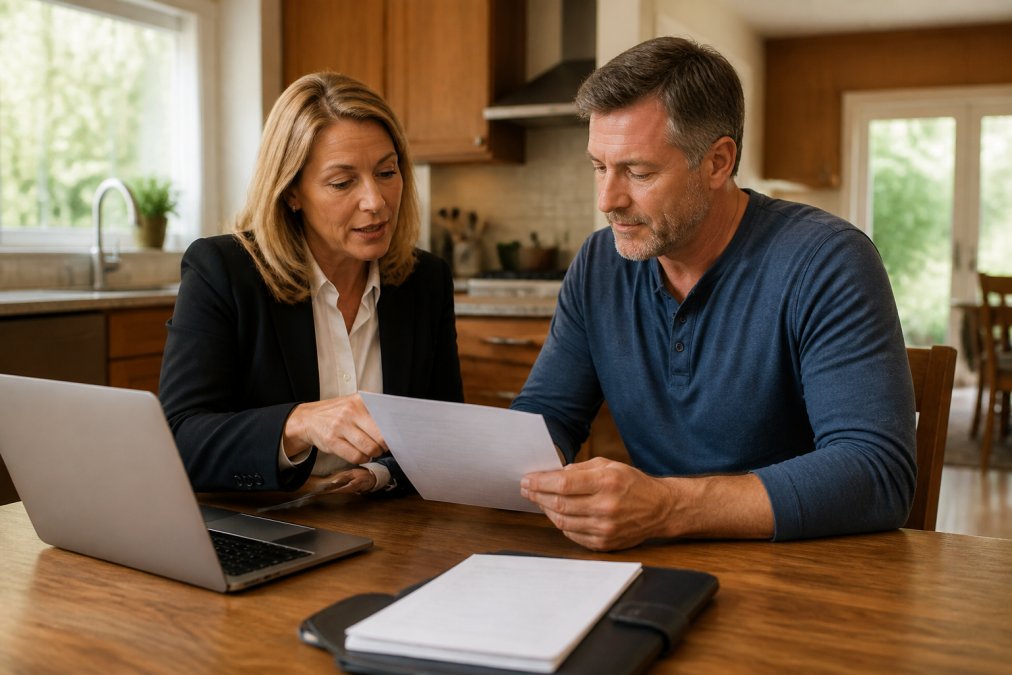
What iBuyers and Cash Offers Actually Cost You in Net Proceeds
Cash home buyers and iBuyers can close in as few as 7 to 14 days, which is genuinely valuable if you're relocating on a deadline, avoiding foreclosure, or managing an estate. The trade-off is that cash offers typically come in below market value, and iBuyer service fees can be substantial.
Working with a real estate agent on the open market takes longer, typically 30 to 60 days from list to close, but it exposes your home to the full pool of buyers and competitive bidding. For most sellers in good market conditions, this produces a higher net proceeds figure.
Selling Method | Typical Timeline | Potential Net Proceeds | Best For |
|---|---|---|---|
Cash buyer / investor | 7-21 days | Below market value | Speed, certainty, as-is condition |
iBuyer program | 14-30 days | Near market, minus fees | Convenience, predictable timeline |
Real estate agent (MLS) | 45-75 days total | Closest to market value | Maximum proceeds, competitive market |
For Sale By Owner (FSBO) | Varies widely | Variable, no agent commission | Experienced sellers, strong market |
For Sale By Owner sits in an interesting middle ground. You avoid the real estate commission, but FSBO homes often sell for less because they reach fewer buyers and sellers frequently misprice them. The math doesn't always favor FSBO when you account for the final sale price difference.
The real question isn't which method is fastest in isolation. It's which method produces the best outcome given your timeline, condition, and market.
How to Sell Your House Quickly: Step-by-Step for 2026
Here's the practical sequence for sellers who want to sell house quickly without sacrificing net proceeds.
Strategic Marketing, Closing Timelines, and Disclosure Requirements
Step 1: Run a Math-2-Market Analysis (2-3 days) Before anything else, understand your market position. What are comparable homes selling for? What's your realistic net after closing costs and real estate commission? This number drives every decision that follows.
Step 2: Prepare the home (1-3 weeks) Execute the checklist above. Prioritize repairs, decluttering, and staging. Schedule a pre-listing inspection if the home is older or has deferred maintenance.
Step 3: Professional photography and listing prep (2-3 days) Professional photos are non-negotiable. Homes with high-quality photography attract more buyer attention online, which is where virtually every buyer search begins. Video walkthroughs and virtual tours have become standard in 2026 and support remote buyers who may not see the home in person before making an offer.
Step 4: Strategic marketing and MLS launch Your listing should hit the MLS on a Thursday or Friday to capture weekend showings. Syndication to major real estate platforms, targeted social media promotion, and email outreach to active buyer pools all compress days on market.
Step 5: Manage offers and negotiate Review offers against your net proceeds target, not just the headline price. Contingencies, closing timeline, and buyer financing strength all affect the real value of an offer. An all-cash offer at 97% of list price often beats a financed offer at 101% of list price when you factor in closing timeline and risk.
Step 6: Navigate disclosure requirements and inspection Federal and state disclosure requirements mandate that sellers reveal known material defects. In Texas, this includes the Texas Real Estate Commission Seller's Disclosure Notice requirements. Complete disclosures accurately and early. Surprises during the inspection contingency period are the most common cause of deals falling apart.
Step 7: Close A standard financed closing takes 30 to 45 days from contract. Cash closings can happen in under two weeks. Remote and virtual closing options are now widely available, which matters for sellers who have already relocated before their home sells.
Tax Implications and Psychological Preparation for a Quick Sale
Two topics most sellers don't think about until it's too late.
On the tax side: The IRS allows a capital gains exclusion of up to $250,000 for single filers and $500,000 for married couples filing jointly on the sale of a primary residence, provided you've lived in the home for at least two of the last five years. If you're selling quickly due to a job relocation, divorce, or health issue, a partial exclusion may apply even if you haven't met the full two-year threshold. Consult a tax professional before closing, not after. The IRS Publication 523 on selling your home outlines the current exclusion rules in detail.
On the psychological side: Selling a home is one of the most emotionally charged financial transactions most people experience. A common mistake is letting emotional attachment to the home influence pricing decisions. Buyers don't share your memories. They're evaluating square footage, condition, and price per comparable sale.
Prepare yourself to hear feedback that feels personal but is actually practical. A buyer's agent saying "the kitchen feels dated" is useful market information, not a criticism of your taste. Sellers who detach early and treat the process as a business transaction close faster and with less stress.
Common Reasons a House Fails to Sell Quickly, and How to Fix Them
Most stalled listings share the same handful of problems. Here's what to look for if your home isn't generating offers.
Overpricing: The most common culprit. If you've had more than 15 showings with no offers, the price is almost certainly the issue. A price reduction of 3 to 5 percent often restarts buyer activity immediately.
Poor listing photos: Dark, cluttered, or low-resolution photos kill online interest before buyers ever visit. Re-shoot with a professional photographer.
Condition issues flagged in showings: If buyers are touring but not offering, request showing feedback. Recurring themes (odor, dated bathrooms, deferred maintenance) need to be addressed or reflected in price.
Limited exposure: If your home isn't on the MLS and major real estate platforms with strong marketing, you're reaching a fraction of the available buyer pool. Strategic marketing isn't optional, it's the mechanism that creates competitive bidding.
Timing: Listing in late fall or winter in most markets means fewer buyers actively searching. If you can control your timing, late winter through early summer typically produces the strongest buyer demand and fastest sales.
Inflexible showing schedule: Buyers who can't get in quickly move on. Make the home as accessible as possible during the first two weeks on market, when interest is highest.
Problem | Fix | Expected Impact |
|---|---|---|
Overpriced listing | Reduce 3-5% or restructure | Restarts buyer activity within days |
Poor photography | Hire professional photographer | More online clicks, more showings |
Condition concerns | Address top 3 feedback items | Reduces buyer hesitation |
Weak marketing | Full MLS + platform syndication | Broader buyer pool, faster offers |
Limited showing access | Lockbox, flexible hours | More showings in first two weeks |
Frequently Asked Questions
Will 2026 be a good time to sell a house?
Selling conditions in 2026 depend heavily on local inventory levels, buyer demand, and interest rate trends in your area. Markets with low housing inventory tend to favor sellers, keeping days on market short and supporting strong listing prices. The best approach is to review comparable sales in your specific neighborhood before deciding on timing, rather than relying on national headlines that may not reflect your local market.
Should I take a cash offer or list with a real estate agent for a faster sale?
Cash offers from iBuyers or direct buyers typically close in one to two weeks, but they often come in below market value, reducing your net proceeds. Listing with an experienced real estate agent usually takes longer but tends to generate competitive bidding that recovers more equity. If your priority is speed above all else, a cash offer makes sense. If maximizing proceeds matters, a well-priced traditional listing with strong strategic marketing is usually the better path.
What is the fastest way to sell a house quickly in 2026?
The fastest route to sell your house quickly in 2026 combines accurate pricing, thorough preparation, and broad market exposure from day one. Homes priced at or just below comparable sales generate the most immediate buyer interest. Completing a pre-listing inspection, decluttering, and staging before photos are taken shortens time on market significantly. For sellers who need maximum speed, accepting a cash offer or working with an iBuyer removes inspection contingencies and compresses the closing timeline to days rather than weeks.
What are the most common reasons a house fails to sell quickly?
Overpricing is the single most common reason a home lingers on the market. Buyers and their agents monitor days on market closely, and a stale listing signals problems even when none exist. Poor listing photos, deferred maintenance visible during showings, and limited marketing reach also slow sales. Disclosure requirements that surface surprises late in the process can kill deals after an offer is accepted, so addressing known issues before listing protects your closing timeline.
This article was written using GrandRanker
Frequently Asked Questions
Will 2026 be a good time to sell a house?
Selling conditions in 2026 depend heavily on local inventory levels, buyer demand, and interest rate trends in your area. Markets with low housing inventory tend to favor sellers, keeping days on market short and supporting strong listing prices. The best approach is to review comparable sales in your specific neighborhood before deciding on timing, rather than relying on national headlines that may not reflect your local market.
Should I take a cash offer or list with a real estate agent for a faster sale?
Cash offers from iBuyers or direct buyers typically close in one to two weeks, but they often come in below market value, reducing your net proceeds. Listing with an experienced real estate agent usually takes longer but tends to generate competitive bidding that recovers more equity. If your priority is speed above all else, a cash offer makes sense. If maximizing proceeds matters, a well-priced traditional listing with strong strategic marketing is usually the better path.
What is the fastest way to sell a house quickly in 2026?
The fastest route to sell your house quickly in 2026 combines accurate pricing, thorough preparation, and broad market exposure from day one. Homes priced at or just below comparable sales generate the most immediate buyer interest. Completing a pre-listing inspection, decluttering, and staging before photos are taken shortens time on market significantly. For sellers who need maximum speed, accepting a cash offer or working with an iBuyer removes inspection contingencies and compresses the closing timeline to days rather than weeks.
What are the most common reasons a house fails to sell quickly?
Overpricing is the single most common reason a home lingers on the market. Buyers and their agents monitor days on market closely, and a stale listing signals problems even when none exist. Poor listing photos, deferred maintenance visible during showings, and limited marketing reach also slow sales. Disclosure requirements that surface surprises late in the process can kill deals after an offer is accepted, so addressing known issues before listing protects your closing timeline.