 how-to
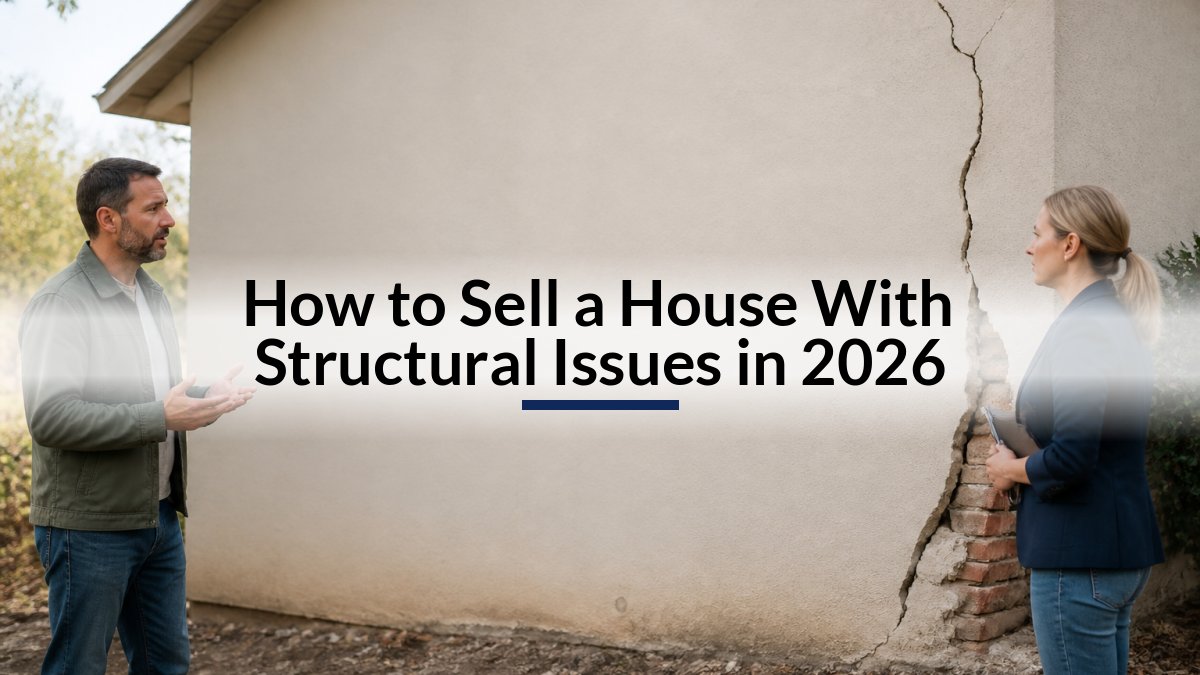
How to Sell a House With Structural Issues in 2026
Table of Contents
- Step 1: Identify the Type and Severity of the Structural Damage
- Step 2: Get a Professional Structural Inspection and Repair Assessment
- Selling a House With Foundation Issues: Repair vs. Sell As-Is
- Should You Repair Structural Issues Before Selling?
- Structural Problems Home Disclosure: What You Must Tell Buyers
- How to Price a House With Structural Damage
- Step 3: Negotiate Repairs, Credits, and Buyer Offers
- Frequently Asked Questions
Last Updated: October 6, 2026
Step 1: Identify the Type and Severity of the Structural Damage
Learning how to sell a house with structural issues starts with understanding what you're dealing with. The first step is always the same: get a clear picture of the damage before deciding anything.
Structural damage affects your home's load-bearing elements: the foundation, framing, walls, or roof supports. A hairline drywall crack is cosmetic; a horizontal foundation crack is a warning sign.
Common Warning Signs: Foundation Cracks, Uneven Floors, and Wall Cracks
Watch for these red flags:
- Foundation cracks wider than a quarter inch, especially horizontal ones
- Uneven floors or floors that slope noticeably
- Wall cracks near door frames or window corners
Step 2: Get a Professional Structural Inspection and Repair Assessment
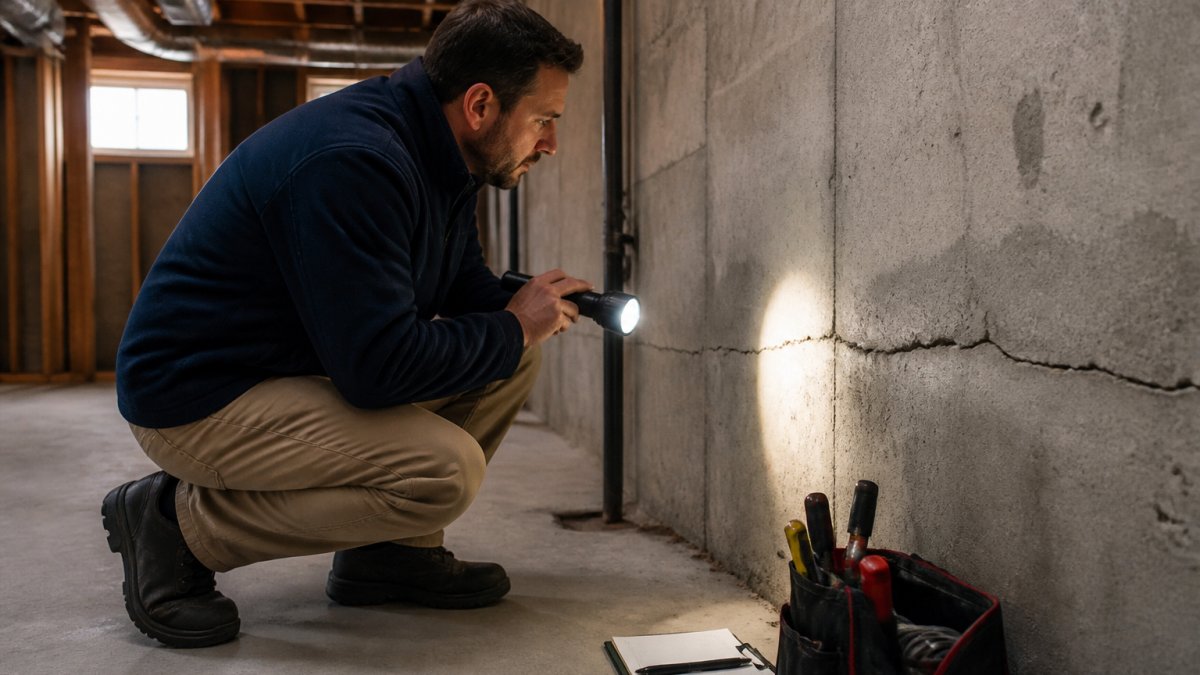
A licensed structural engineer gives you the facts. Unlike a home inspector who notes visible issues, an engineer diagnoses the cause and recommends fixes.
Expect the engineer to:
- Inspect the foundation, framing, and load-bearing walls
- Measure cracks and check for movement
- Review drainage and soil conditions around the home
- Provide a written report with repair recommendations
That report becomes your roadmap, and a document you may need to share with buyers.
How to Evaluate Repair Bids and Contractor Credentials
Once you have the engineer's report, get at least three repair estimates. Compare them carefully:
- Check licensing. Ask for the contractor's state license number and verify it.
- Ask about warranties. A repair guarantee should be in writing, with a clear term.
- Request references. Talk to past clients about timeline and quality.
Selling a House With Foundation Issues: Repair vs. Sell As-Is
When you're selling a house with foundation issues, you have two paths: fix the problem first, or sell as-is. Neither is automatically right, the better choice depends on your numbers, timeline, and tolerance for uncertainty. Most sellers who get this wrong anchor on the asking price instead of what lands in their pocket.
Repair vs. As-Is Decision Framework With Net Proceeds
Run the math on both options. Compare net proceeds, what you walk away with after every cost, not the headline sale price.
Here's the framework:
Repair-first net proceeds = Expected sale price after repairs − Repair cost − Carrying costs during repairs − Standard selling costs (agent commission, title, transfer fees, prorated taxes)
As-is net proceeds = As-is sale price − Standard selling costs − Any buyer-requested credits
A few mechanics change the answer:
- Carrying costs. Every month you hold the home during repairs, you pay the mortgage, taxes, insurance, utilities, and maintenance. Three months of repairs means three months of carrying costs, often enough to erase the price bump from a mid-sized repair.
- Repair overruns. Foundation and framing work frequently uncovers secondary problems, plumbing under a slab, rot behind siding, drainage that caused the movement. Build a contingency into your estimate rather than assuming the bid is final.
- Price reduction vs. repair cost. Buyers discount for uncertainty, often asking for more off the price than the repair would cost because they're pricing in their own risk. That gap is where as-is sellers sometimes win.
| Factor | Repair First | Sell As-Is |
|---|---|---|
| Upfront cost | Pay for repairs out of pocket | No repair cost |
| Sale price | Higher asking price | Lower price to reflect condition |
| Carrying costs | Accrue during repair period | Stop at closing |
| Buyer pool | Traditional buyers with mortgages | Cash buyers and investors |
| Timeline | Weeks to months for repairs | Often faster closing |
| Risk | Repair may uncover more problems | Buyer discounts may exceed repair cost |
To compare fairly, estimate net proceeds both ways: add repair and carrying costs to the selling costs in the "repair first" column, and subtract the expected price reduction and credits from the "as-is" column.
When Repair-First Makes Sense, and When It Doesn't
Repair-first tends to win when:
- The damage is cosmetic or localized, and a licensed contractor can fix it in weeks.
- The repair cost is small relative to the price bump it unlocks.
- You have cash on hand and time before you need to move.
As-is tends to win when:
- The damage is structural, widespread, or of uncertain scope.
- Repair estimates are high relative to the home's value.
- You need to close quickly.
Neither path is a moral choice, it's a financial one. Document both scenarios so you can explain your pricing with confidence.
Should You Repair Structural Issues Before Selling?
The answer depends on severity, cost, and your buyer pool. Minor settling a cosmetic fix can address is usually worth repairing because it keeps your home open to mortgage-backed buyers. Major structural damage often is not, since the repair cost may exceed the price bump.
A few things to weigh:
- Severity: Cosmetic cracks are easy to fix. Foundation movement is not.
- Cost vs. return: If repairs cost more than the price increase they create, selling as-is may net you more.
- Timeline: Repairs take time. If you need to move fast, as-is sales close quicker.
Insurance Claims, Exclusions, and Repair Documentation
If the damage came from a covered event, like a storm or a burst pipe, your homeowner's insurance may help. But most policies exclude long-term settling, earth movement, and poor maintenance.
Document everything:
- Photos of the damage before and after any repair
- The engineer's report and all contractor bids
- Receipts for completed work
That paper trail protects you during disclosure and gives buyers confidence in the work.
Structural Problems Home Disclosure: What You Must Tell Buyers
Structural problems home disclosure rules require you to tell buyers about known defects that affect value or safety. In most states, you complete a seller's disclosure form listing any structural issues you know about. Hiding them can lead to lawsuits after closing, and in some states, statutory penalties on top of civil liability.
Honesty is also practical: buyers who learn about issues upfront negotiate in good faith, while those who discover problems later tend to walk, or sue.
State-by-State Disclosure Rules and Legal Liability
Disclosure requirements vary significantly by state.
- Detailed-form states. Many states require a written seller's disclosure form with specific questions about foundation, roof, water intrusion, and known defects. You answer under penalty of law, and omissions can be treated as misrepresentation.
- Caveat emptor states. A smaller number of states follow a "buyer beware" approach, meaning the buyer is expected to inspect. But even in these states, actively concealing a known defect or making false statements can constitute fraud.
- Federal overlay. Federal law requires disclosure of known lead-based paint hazards in homes built before 1978, and fair housing laws prohibit discriminatory statements or practices in the sale process. The U.S. Department of Housing and Urban Development's guidance on fair housing and disclosures sets federal expectations for honest dealing, and the Consumer Financial Protection Bureau's resources for homebuyers explain buyer protections.
Known vs. suspected defects. The line most sellers trip over is the difference between what you know and what you suspect. You are generally required to disclose known defects, problems you've seen, been told about, or had documented. You are typically not required to investigate for problems you have no reason to suspect.
Practical liability mechanics. If a buyer closes and later discovers an undisclosed structural defect, common outcomes include:
- A demand for repair costs or a price adjustment.
- A lawsuit for misrepresentation or fraud, which can carry damages beyond the repair cost.
- In some states, statutory penalties or attorney's fees if the seller is found to have knowingly concealed.
When in doubt, disclose. A disclosed defect is a negotiating point; an undisclosed one is legal exposure.
Disclosure Timeline and Documentation
Disclosure runs from listing through closing.
- Before listing. Gather your engineer's report, repair bids, permits, warranties, and any insurance correspondence. These become your disclosure file.
- At listing. Complete your state's seller's disclosure form accurately. Attach the engineer's report if your state allows or requires it.
- During buyer due diligence. Respond to buyer inspection findings in writing. If the buyer's inspector identifies something you didn't know, that finding becomes known to you and may need to be disclosed to subsequent buyers if the deal falls through.
- Before closing. Update your disclosure if anything changes, new damage, new repair, new information.
Keep copies of everything you gave the buyer and when. If a dispute arises later, your paper trail is your defense.
How to Price a House With Structural Damage
How to price a house with structural damage comes down to one rule: price for the condition, not for what you wish it were.
Start with your engineer's report and repair estimates. If repairs cost a known amount, subtract a comparable figure from market value for a similar home in good condition. That gives you a realistic asking price for an as-is sale.
Financing and Appraisal Outcomes by Loan Type
Your buyer's loan type affects whether the deal closes:
- Conventional loans: Appraisals flag structural issues, and lenders may require repairs before approval.
- FHA loans: Strict property condition standards. Visible structural problems often block approval.
- VA loans: Similar strict standards, with a required appraisal.
This is why as-is homes often attract investors and cash buyers. They can close without lender delays.
Step 3: Negotiate Repairs, Credits, and Buyer Offers
Negotiation on a home with structural issues is about clarity, not confrontation. Buyers will ask for a price reduction or repair credit. Respond with facts.
Bring your engineer's report and repair bids to the table.
Options to consider:
- Repair credit at closing: You reduce the price or cover a set amount toward repairs.
- Complete the repair yourself: Best when the fix is simple and you have time.
- Hold firm on price: Works when your documentation shows the issue is minor.
Selling a home with structural issues is stressful, but not a dead end. The homeowners who struggle most guess at severity, skip the inspection, or hide problems.
At Martin Home Team, we offer 15 years of dedicated experience guiding North Dallas families through real estate transactions, from Plano to Frisco to Allen. Get started with Martin Home Team and sell your home with a clear plan and a confident close.
Frequently Asked Questions
Can you sell a house with structural problems?
Yes, you can sell a house with structural problems, but you must disclose known defects to buyers. Options include selling as-is to a cash buyer or real estate investor, repairing the issues before listing, or negotiating repair credits with a traditional buyer. The right path depends on your net proceeds, timeline, and local market conditions. An experienced agent can help you weigh the trade-offs and price the home accurately.
Do you have to disclose structural problems when selling a house?
In most states, yes. Seller disclosure requirements vary, but nearly all states require you to disclose known material defects that affect a property's value or safety, including structural issues. Failing to disclose can lead to legal liability, lawsuits, or rescinded sales. Review your state's specific disclosure forms with your real estate agent and attorney before listing.
Can you sell a house with foundation problems as-is?
Yes. Selling as-is means the buyer accepts the property in its current condition without requiring you to make repairs. Cash buyers and real estate investors often purchase as-is homes, though usually at a discount to market value. You still need to disclose known foundation issues. As-is sales can close faster and avoid repair costs, but typically yield a lower asking price.
Should you repair structural issues before selling a house?
It depends on the repair cost, your timeline, and buyer demand in your market. Minor repairs like foundation cracks may be worth fixing to attract traditional buyers and mortgage approval. Major structural repairs with high costs might not recoup their expense. Compare repair estimates against the price reduction buyers would expect, then decide based on net proceeds.